
An alert about a cat on my couch popped up while I was at a party. I don’t own a cat.
That notification arrived a day after I enabled Gemini for Home in the Google Home app. The feature brings the power of large language models to the smart-home setup and one of its most useful tricks is richer alerts from my Nest security cameras. Instead of a bland “Person seen” message, Gemini can tell me FedEx came by and dropped off two packages.
In the two weeks since I let Gemini run my Google Home, the delivery-driver recognition has been the standout. At the end of the day I can ask in the Google Home app, “How many packages came today” and get an accurate tally. It’s handy to know a Nest Doorbell recorded FedEx at the door and not a salesperson trying to make a pitch. Yet for all of Gemini’s smarts, it still insists I own a cat.
Google isn’t the only company adding more AI to home products. Amazon recently announced a Ring camera feature called Search Party that will tap a neighborhood’s outdoor Ring cameras to help someone find a lost dog. I can easily imagine scenarios in which that capability could be misused.
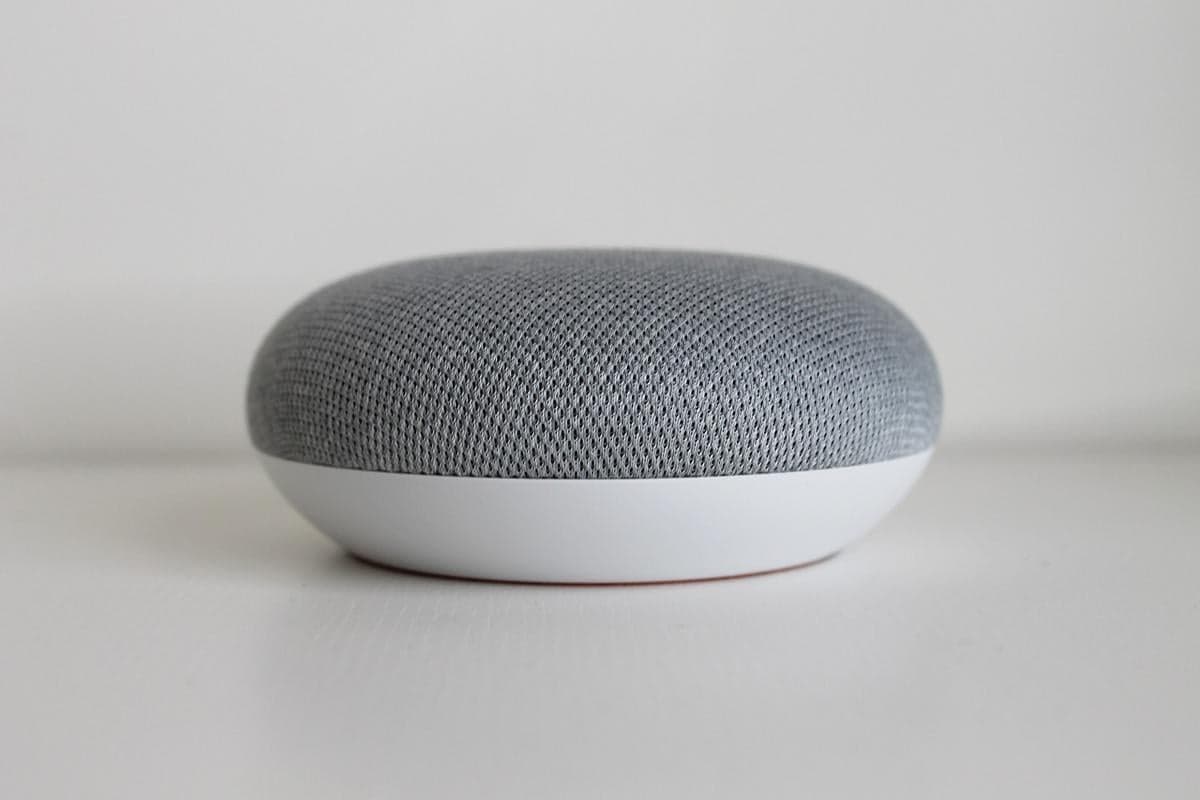
In early October, Google swapped Gemini in for Google Assistant on a number of smart-home devices, some of which have been on shelves for nearly a decade. On balance the assistant feels improved. It will parse several commands delivered in a single sentence and you can create automations without digging into the Routines tab in the Google Home app. When I ask it a straightforward question it typically returns a direct reply instead of dumping me to a search results page.
The camera alerts are more useful at a glance. I used to ignore many Person seen notices because they usually meant someone walking past my house. Now some alerts say “Person walks by,” which makes it easier to dismiss them. A few come through accurately as “Two people opened the gate,” though the system can invent activity: it once reported “Person walks up stairs” when the footage shows someone on the sidewalk. On the plus side, Gemini has been pretty reliable about tagging UPS, FedEx, or USPS visits, which saves me the hassle of scrolling through dozens of motion clips.
Where the system falls short is with my indoor cameras. They repeatedly label my dog as a cat. In the Home Brief — the daily recap Gemini sends about activity around my place — it included the line “In the early morning, a white cat was active, walking into the living room and sitting on the couch.” That struck me as funny, partly because my dog has an intense aversion to cats.
You would expect that telling the assistant the animals are misplaced in its model would fix things. Ask Home is the conversational feature where you can query or command Gemini about your home. I used it to set an automation: I told Gemini to turn on the living room lights when cameras detect my wife or me arriving, and it understood. It even assumed I wanted the lights only at night, though I hadn’t said so.
When I informed Gemini that the camera kept identifying a cat even though it’s a dog and I don’t have a cat, the assistant acknowledged the correction and accepted that I have a dog. The misidentifications persisted anyway. A Google spokesperson says Home Brief and Ask Home are in an early-access phase and that the company is asking for user feedback to improve the experience.
“We are investing heavily in improving accurate identification, including for pets,” the spokesperson says in an email. “This includes incorporating user-provided corrections (like telling Ask Home that your 'cat' is actually a dog) to generate more accurate AI descriptions. Since all Gemini for Home features (Ask Home, Home Brief, and AI Captions) rely on our underlying Familiar Faces identification, improving this accuracy also means improving the quality of Familiar Faces. This is an active area of investment and we expect these features to keep improving over time.”
Google’s Familiar Faces system lets you assign names to people the cameras see frequently around your home. When it works, the result can be delightful. At a holiday party the Nest Doorbell announced arriving guests by name at the front door, which prompted loud applause inside. Too often, though, my wife and I are sitting in the living room and the doorbell will chime and say I’m outside ringing the bell. Familiar Faces doesn’t handle pets yet, so adding that capability should help Gemini stop mistaking my dog for a cat.
These features are still rolling out, and the mix of small wins and odd failures highlights a basic truth about current consumer AI: it can offer genuinely useful automations and clearer alerts, and it can still flub simple identification tasks even after a human points out the mistake.