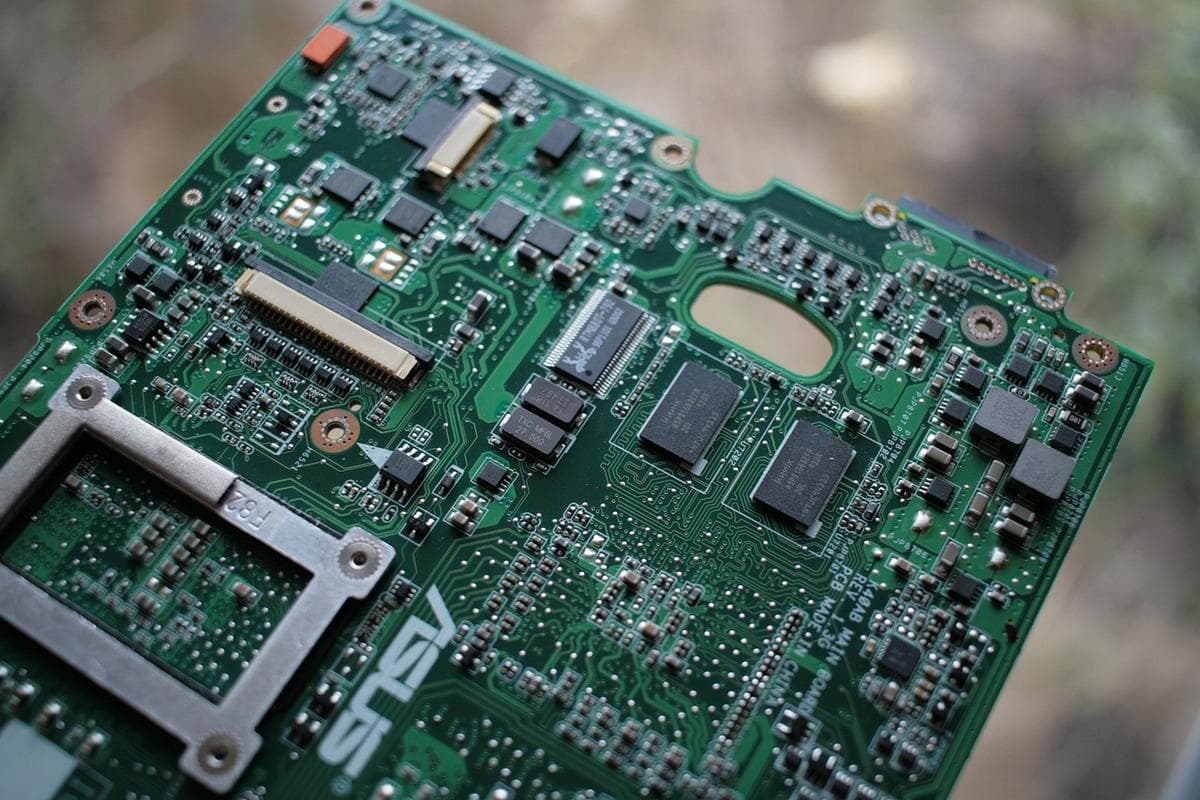
Apple is beginning to apply generative artificial intelligence to the design of the chips that power its devices. The move comes as design cycles grow more challenging and Apple faces stiff deadlines for new product launches. Johny Srouji, the company’s hardware chief, outlined that plan in a speech at an Imec awards ceremony in Belgium last month.
“Generative AI techniques have a high potential in getting more design work in less time, and it can be a huge productivity boost,” Srouji said. He noted that chip teams now experiment with dozens of design variants and review extensive simulation results at multiple stages.
He noted that Apple relies heavily on software from electronic design automation firms. These EDA suites guide teams through layout, logic synthesis, timing checks and power analysis. Synopsys and Cadence, two leaders in EDA tools, both have moved to integrate artificial intelligence features into their design platforms.
Srouji gave a rare look inside Apple’s chip strategy by tracing the path from its first custom processor, the A4 in the 2010 iPhone 4, to the chips that now power the iPad, Apple Watch and Mac. He traced key turning points, highlighting how Apple shifted resources to in-house silicon design and deep integration across hardware and software teams. The company has even developed the core silicon for its Vision Pro headset.
He argued that raw hardware is crucial, though the real test lies in design. Chip layouts have grown so intricate that tight alignment between hardware and software is vital. Chip creation now demands coordination across global teams managing thousands of IP blocks, driving the need for automation. Artificial intelligence could speed that alignment and improve consistency in each development cycle.
Late last year, Apple launched a confidential venture with Broadcom to create its first AI server processor, codenamed “Baltra.” The Broadcom partnership seeks to leverage that company’s experience in networking and server ASICs to meet Apple’s performance and security goals. That chip is meant to anchor a back-end system for Apple Intelligence, the suite of AI-driven features coming to iPhones, iPads and Macs.
Baltra is designed for Apple’s private cloud infrastructure rather than mobile devices. Unlike mobile architectures, server chips must handle sustained workloads and often include built-in accelerators for matrix math and neural networks. It will sit in company-run data centers, handling workloads that are beyond the reach of on-device silicon.
Privacy sits at the center of this approach. Some AI tasks will run locally on user devices. Others will flow through server-based chips under what Apple calls Private Cloud Compute. Apple says its Private Cloud Compute model will combine on-device safeguards with server-side isolation, so raw data never leaves a user’s control sphere. The process does not require users to sign in and data remains anonymized. These privacy safeguards depend on a robust hardware stack, in devices and in data centers alike.
Srouji compared this shift to Apple’s move from Intel chips to Apple Silicon in its Mac lineup. “Moving the Mac to Apple Silicon was a huge bet for us. There was no backup plan, no split-the-lineup plan, so we went all in, including a monumental software effort,” he said.
That same all-in philosophy appears to guide Apple’s foray into AI-designed hardware. The company is placing its trust in machine-driven workflows to boost speed and accuracy in chip creation. These systems can propose optimized block placement, run virtual simulations of electrical behavior and flag potential flaws before physical tapeout.
Even so, Apple’s engineers will continue to depend on tools from outside vendors. Synopsys has rolled out a product called AgentEngineer, which uses AI agents to automate routine tasks and orchestrate processes. AgentEngineer can accept natural language prompts to generate scripts, streamline spreadsheet checks and handle large design rule sets with minimal manual coding. Cadence is expanding its AI toolset with similar goals. Both firms are racing to serve chip developers seeking faster and more cost-effective design methods.
As Apple builds more AI into its internal design teams, it will need experts who can bridge the gap between hardware engineering and machine learning. New roles may include AI design integrators, ML validation experts and algorithmic layout engineers. Recruitment may focus on candidates fluent in both silicon architecture and AI model training.
Baltra and chips in the device line still face the traditional steps of testing and fabrication. Testing AI-designed logic blocks may require new verification flows and updated manufacturing test patterns. Apple is expected to keep working with factories operated by TSMC for production. The major change is that more chip innovation is happening under Apple’s own roof, with AI playing a growing role.
What remains to be seen is exactly how these AI-designed processors will find their way into Apple’s ecosystem of products and services. That could extend from consumer gadgets to cloud services, shaping everything from device features to enterprise offerings. The moves so far suggest a drive to maintain tighter control over hardware, software, and the infrastructure that drives next-gen features.