Anthropic said this week it will deploy up to one million Google Cloud TPUs under an agreement valued in the tens of billions of dollars, a commitment that is expected to bring more than a gigawatt of computing capacity online in 2026. The scale and timing place the deal among the largest single purchases of specialized AI accelerators by a foundation model provider, and the move has immediate implications for how enterprises budget, design and operate production AI.
The company’s customer base has swelled: Anthropic now serves more than 300,000 business customers. Its roster of large accounts — defined as relationships that generate more than US$100,000 in annual run-rate revenue — expanded nearly sevenfold over the past year. That growth is concentrated among Fortune 500 firms and AI-native startups, a pattern that signals Claude is advancing beyond experimentation into sustained production deployments where reliability, cost predictability and consistent performance matter.
Unlike many vendor deals that highlight a single cloud partner, Anthropic framed this announcement as part of a broader, multi-platform compute strategy. The firm runs workloads across three chip ecosystems: Google’s TPUs, Amazon’s Trainium and NVIDIA GPUs. CFO Krishna Rao said Amazon remains the primary training partner and cloud provider, and that work continues on Project Rainier, a massive compute cluster that will span hundreds of thousands of AI chips across multiple US data centers.
For technology leaders building AI roadmaps, that mix of platforms is worth attention. No single accelerator design or cloud vendor is ideal for every workload. Training very large language models, fine-tuning models for industry-specific use cases, serving inference at scale and conducting alignment research impose different computational needs, cost profiles and latency expectations. Planners who treat all AI compute as interchangeable risk misaligning infrastructure investments with the actual demands of each task.
The strategic message for CTOs and CIOs centers on vendor exposure and portability. Locking into one infrastructure stack increases operational and financial risk as workloads mature. Organizations that intend to operate AI systems over a multi-year horizon should probe how model providers move models and data between architectures, and how that mobility translates into flexibility, pricing leverage and service continuity for enterprise customers.
Google Cloud CEO Thomas Kurian attributed Anthropic’s expanded TPU commitment to “strong price-performance and efficiency” demonstrated over several years. Specific benchmark comparisons remain proprietary, and those metrics matter to enterprises crafting AI budgets. Cost per token, throughput for specific model sizes and energy consumption per inference are the kinds of measurements that shift procurement decisions when payments run into the tens of millions and beyond.
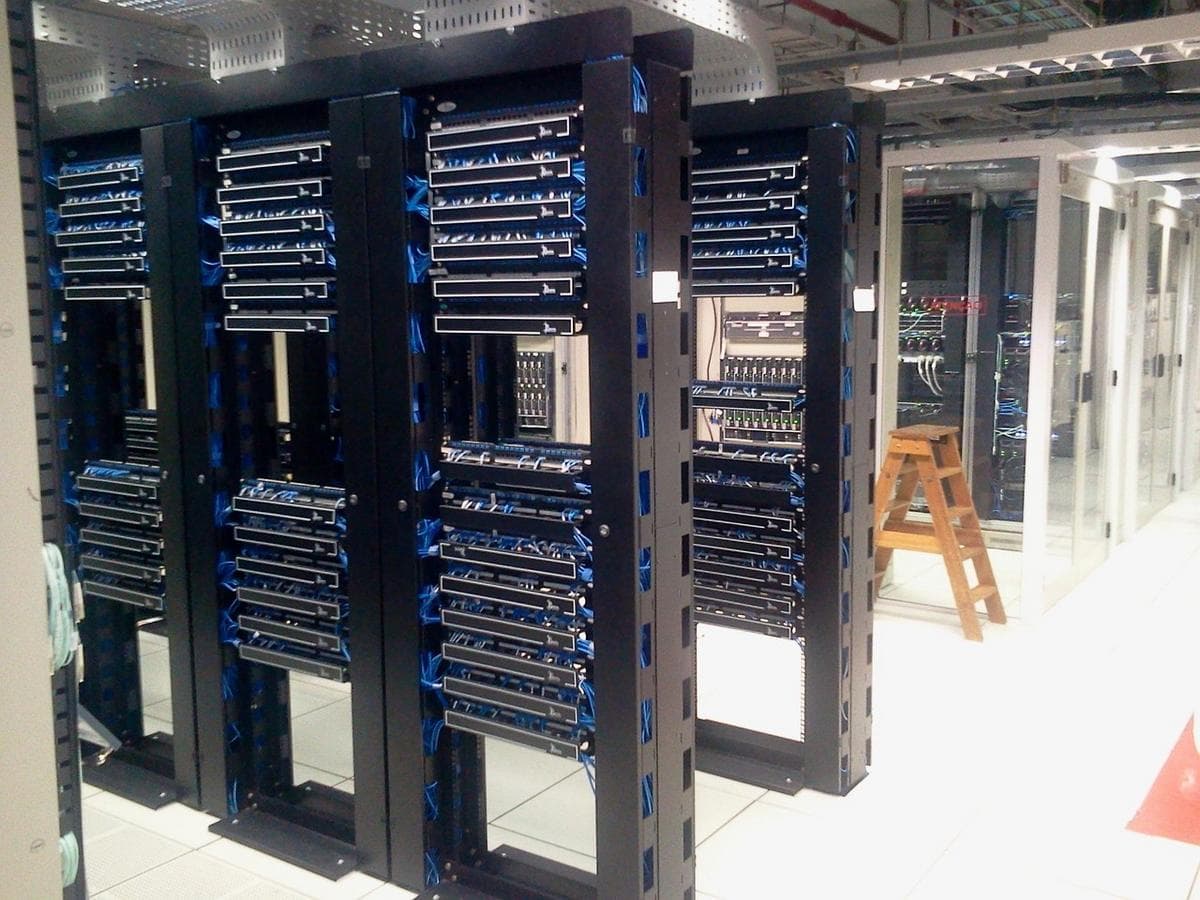
TPUs are purpose-built for tensor operations that sit at the core of neural network computation. For certain model designs they tend to deliver higher throughput and improved energy efficiency relative to general-purpose GPUs. The transaction’s reference to “over a gigawatt of capacity” underscores a practical constraint: power consumption, cooling and facility engineering are now major components of total deployment cost and operational planning as models scale up.
That reality affects organizations that host hardware on-premises or that negotiate colocation arrangements. Total cost of ownership calculations must include facilities engineering, stable power provisioning and operational staffing. In many cases those line items equal or exceed raw compute pricing when judged over multi-year horizons and high utilization scenarios.
Anthropic’s mention of the seventh-generation TPU, codenamed Ironwood, highlights another procurement factor: maturity. Google’s custom accelerator portfolio has been developed across nearly a decade, and production history, integrated tooling and a stable supply chain influence procurement decisions for large enterprises. Teams that are buying multi-year AI capacity often favor chips and ecosystems with proven deployment track records over newer entrants without the same operational pedigree.
Several tactical issues emerge for enterprise buyers. Capacity planning and vendor relationship management come first: the sheer capital intensity reflected in a tens-of-billions commitment shows how much investment is required to support enterprise-grade demand. Organizations that rely on foundation model APIs should request capacity roadmaps from providers and evaluate compute diversification plans that could reduce service risk during usage spikes or geopolitical supply disruptions.
Testing and safety work at scale is another dimension. Anthropic links its infrastructure expansion to “more thorough testing, alignment research, and responsible deployment.” For regulated sectors such as financial services, healthcare and government contracting, the amount of compute allocated to safety and alignment research affects model reliability and compliance posture. Procurement conversations ought to address the testing, validation and documentation frameworks that sit behind any production model offering.
Integration across cloud environments and orchestration layers matters as well. The headline item focuses on Google Cloud, but most enterprise AI deployments extend over multiple clouds and management tools. Organizations using AWS Bedrock, Azure AI Foundry or third-party model orchestration must map how a provider’s infrastructure choices affect API latency, regional availability and compliance certifications in the regions where they operate.
Competition among model providers is intensifying. Anthropic’s push for expanded capacity comes amid heavy investment from OpenAI, Meta and other deep-pocketed players. That rivalry is likely to keep driving capability improvements, and it could also bring pricing pressure, consolidation in partnerships and shifting commercial terms that require proactive vendor management from enterprise buyers.
The broader context is heightened scrutiny of AI infrastructure costs as companies move workloads from pilot projects into production. Infrastructure efficiency has a direct bearing on AI return on investment. Anthropic’s decision to span TPUs, Trainium and GPUs rather than standardize on a single architecture signals that no universal hardware winner has yet emerged for every enterprise workload. Technology teams would be prudent to avoid early lock-in and to preserve architectural optionality while the market continues to change rapidly.